My Blog

Posts for tag: oral health

By Dr. Salzberg
September 11, 2011
Category: Oral Health
Tags: oral health   oral hygiene  

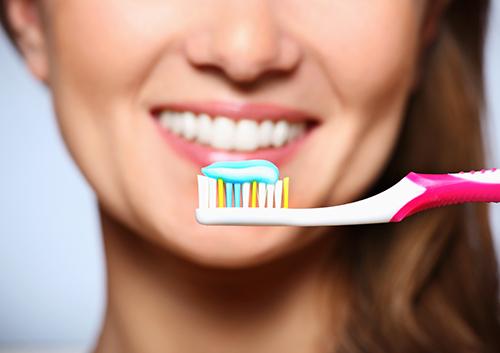
How good of a job are you doing with brushing and flossing your teeth? This is an important question, because a healthy mouth depends on regularly removing dental plaque (a whitish, sticky film of bacteria that grows near your gumline and on the surfaces of your teeth).

Daily Plaque Removal
Most people need to brush and floss at least once a day to remove plaque. Twice a day may be ideal, as plaque forms every 12 to 24 hours on your teeth, and it will also make your mouth feel fresher. Be thorough but gentle with your teeth — excessive brushing or flossing can cause damage.

The use of an antibacterial mouthrinse to help reduce the plaque you may have missed as well as to reduce bacteria that are clinging to soft tissues or membranes in your mouth, should be included in your daily hygiene routine.

Tongue Test
When you run your tongue around your mouth after a professional dental cleaning, you sense a smooth, slippery feeling. This is the way your teeth should feel after you brush your own teeth every day. The tooth surfaces should feel smooth and slick throughout your mouth and at the gum line.

Floss Test
After running floss up and down a tooth surface, notice whether there is blood on the floss or whether the floss has an odor. If the floss squeaks when you run it up and down a tooth surface, that indicates that the tooth is squeaky clean.

Check for Bleeding
Bleeding gums are a sign of inflammation, called gingivitis, in the gum tissue. Healthy gums do not bleed. If you have recently begun using more effective brushing and flossing methods, your gums may bleed at first but then stop as your gums become healthier.

Use Disclosing Solutions
Disclosing solutions are harmless dyes that can stain plaque and make it visible. Rinsing with these solutions may surprise you by revealing the plaque on your teeth you had no idea you missed.

Visit Our Office
We can check your mouth and tell you how well you are doing in your program of daily plaque removal. As a bonus, we will give you a toothbrush so that while you're here we can check your technique to make sure you are brushing correctly.

Contact us today to schedule an appointment to discuss your questions about oral hygiene. You can also learn more by reading the Dear Doctor magazine article “Oral Hygiene Behavior.”

Oral cancer is on the rise in the United States, yet few people are familiar with the disease and its risk factors. The National Institute of Dental and Craniofacial Research (NIDCR) estimates that 35,000 Americans are diagnosed with the disease each year. The good news is that prevention and early detection can greatly reduce your risk of developing oral cancer.

Risk Factors for Oral Cancer Include:

  • Tobacco: Smoking and using chewing tobacco have been shown to increase the risk of developing oral cancer.
  • HPV virus: The Human Papilloma Virus (HPV) is the same virus linked to cervical cancer and genital warts. According to the Oral Cancer Foundation (OCF), many young people and women are being diagnosed with oral cancer as a result of exposure to the HPV virus.
  • Age: Although it occurs more frequently in people over the age of 40, the incidence is increasing in younger people.
  • Alcohol Consumption: Oral cancer is six times more common in those who drink alcohol excessively.
  • Diet: People who consume lots of red and processed meat and fried foods are at greater risk.

Symptoms: Alert our office if you notice a change in your mouth such as a sore that doesn't heal or bleeds easily; a lump, thickening, crust or erosion; pain or tenderness; or a change in the way your teeth are positioned. Our office can administer an easy, painless test that detects abnormal cells.

Other symptoms may include unexplained bleeding or numbness in the mouth, difficulty chewing, swallowing or speaking, hoarseness, chronic sore throat or changes in your voice.

Importance of Dental Screenings: In its early stages, oral cancer can often go unnoticed, but visiting our office regularly can ensure that any cancerous cells are detected and treated early. Our office will check your tongue and the area under your tongue, as well as your lips and palate and the back of your mouth.

Contact us today to schedule an appointment to discuss any questions that you may have regarding oral cancer. Read more about this topic in the Dear Doctor magazine article “Oral Cancer: This Article May Save Your Life.”

Nearly everyone has snored at some point in life. However, if your sleeping partner routinely tells you that you suffer from this problem, you really should take action to confirm or deny your suspicions. You may be like one of the 50 to 70 million people in the US alone that suffer from Obstructive Sleep Apnea (OSA), a medical condition in which the upper airway (the back of your throat) collapses during sleep thus limiting your intake of oxygen. And this condition is serious. If left untreated, OSA can lead to a stroke, impotence, an irregular heartbeat, heart attacks, high blood pressure, and other forms of heart disease.

The first and most important step you should take if you snore is to obtain a thorough examination by both your primary-care physician and our office. We have completed specialized training in sleep medicine so that we can not only diagnose but also thoroughly treat your sleep disorders.

If you are diagnosed with this problem, relax. We have many ways we can treat your condition. One of the most common methods is to provide you with oral appliance therapy. This first line of treatment involves our making a customized oral appliance (mouthpiece) that will hold your lower jaw forward. By doing this, we can move your tongue away from the back of your throat so that your airway is less likely to get blocked while you sleep. (It is this blockage that causes the infamous snoring sound.)

Another option we may consider using to treat your sleep apnea if it is moderate to advanced is a Continuous Positive Airway Pressure (CPAP) machine. These machines require you to sleep with a mask over your nose and/or mouth and produce continuous pressure in your windpipe so that your tongue is forced forward away from your airway. Not only can these machines potentially eliminate your snoring, but they can also give you the restful night's sleep that you have been missing.

The last and most permanent solution for treating certain non-responsive cases of sleep apnea is surgery. This option is typically reserved for the most advanced cases to eliminate or reduce an obstruction to the airway.

Contact us today to discuss your questions about sleep apnea or to schedule an appointment. You can also learn more about sleep apnea when you continue reading the Dear Doctor magazine article “Sleep Disorders & Dentistry.”

By Dr. Salzberg
August 14, 2011
Category: Oral Health

Grinding, clenching, and gritting your teeth are common reactions to stress — but their results can be quite complex. Here are some questions and answers that will fill you in on what you may not know about this widespread problem.

My dentist said I was bruxing. What does that mean?
Bruxing means that your teeth are grinding upon each other. Many people carry out this habit subconsciously and are not even aware that they are doing it.

Is bruxing or gritting harmful?
Such habits are called “parafunctional” (from para, meaning outside, and function, meaning purpose). This is because these stress habits exert much larger biting forces — as much as ten times more — than in normal biting and chewing activities. This excess pressure can cause damage to jaw joints and muscles, resulting in muscle spasm and pain; and to the teeth, resulting in wear, fractures or looseness. They can also cause headaches, earaches, and even neck and backaches because of the pressures on various structures in the face and mouth.

What is the usual treatment for problems arising from these stress habits?
The first thing we want to do is relieve your pain and discomfort. Second, we want to stop future damage. Application of heat or cold is helpful, and mild anti-inflammatory and muscle relaxant drugs are prescribed for pain and muscle spasm. To prevent future occurrences, we may treat you with biofeedback or refer you to someone who can offer psychotherapy.

What is a night guard and how can it help?
A night guard is an unobtrusive thin plastic appliance that is made to fit over the biting surfaces of your upper teeth. These guards are so unobtrusive that they can even be worn during the day if your stress level is so high that you grind your teeth during the day. The guard is adjusted to leave the lower teeth free to move against the surface of the guard, but they cannot bite into the upper teeth. This prevents wear on the teeth and lets the jaw muscles relax, preventing the pain of muscle spasm.

Contact us today to schedule an appointment to discuss your questions about stress and tooth grinding. You can also learn more by reading the Dear Doctor magazine article “Stress & Tooth Habits.”

Of major importance in all wedding day plans is to ensure that you have your special day captured on film. And it is that fact that influences most brides and grooms to take a long and hard look in the mirror to observe their smiles. Not only do wedding dates motivate many brides and grooms to address concerns regarding their smile, it also serves as the perfect time for their parents to pursue their smile makeover dreams so that they too feel good about themselves in your wedding photos.

A proper smile makeover should have a two-fold design plan that ensures you obtain optimal functionality and oral health while creating the cosmetic look you want. Starting with the basics, a thorough dental cleaning is the least expensive way to remove stains and freshen both your smile and breath. We will also use this consultation to learn about your concerns, goals, expectations, and wedding day timeline to create the action plan for future treatments in reaching your smile makeover goals. You may also want to discuss whitening your teeth during your appointment, as whitening teeth is an effective way to brighten your smile a few shades in as few as 1 to 2 appointments plus whitening while at home.

If your smile makeover is a bit more challenging, relax. There are a wide variety of tools and techniques available that include bonding, veneers, crowns, bridges, and dental implants for restoring your smile. Or we may work closely with a specialist such as an orthodontist to straighten your teeth or a periodontist for periodontal plastic surgery that can alter your gum tissues and their relationship with your teeth. The most important tip to remember is to schedule your first dental appointment soon after you become engaged so that you have plenty of time prior to the big day to attain your picture perfect wedding day smile.

Want to learn more?

Contact us today to discuss your smile makeover questions or to schedule an appointment. You can also learn more by reading the Dear Doctor article, “Planning Your Wedding Day Smile.”


Herman Salzberg DMD
512 North Plum Grove
Palatine, IL 60067
847-359-6766

Our Blog

Archive: